

All Articles
Stay ahead in your financial journey: Explore our latest articles.
The Role Of AI And Machine Learning In Forex Trading

Forex trading, or the process of exchanging currencies, can sometimes feel like navigating a complex maze filled with sudden twists and turns. Your investment portfolio can change colours from promising green to worrying red in just a blink of an eye.
But don’t fret! The modern world has brought us AI and machine learning technologies, including the machine learning forex trading bot, which are here to revolutionise the forex market. These technologies are not just enhancing the analysis of trading but also making decision-making more precise and accurate.
In this article, we will take a stroll through the capabilities of AI forex trading and how it is changing the forex market for the better.
Key Points
- AI and machine learning enable automated trading bots to execute fast, efficient trades based on real-time market analysis.
- AI-driven systems predict market downturns and adjust strategies, helping traders minimise risks and losses.
- Sentiment analysis tools provide early insights by assessing market sentiment from news and social media, aiding traders in making informed decisions.
The Old-School Way of Forex Trading
In the earlier days, forex trading was quite a hands-on task. Individuals had to sift through charts, market trends, and heaps of data manually to make informed decisions about trading. This traditional method, although reliable, was quite time-consuming, prone to errors, and could be emotionally taxing.
Welcoming AI and Machine Learning to the Forex Trading World
Now, let’s talk about the new kids on the block – Artificial Intelligence (AI) and machine learning. These are branches of computer science that aim to mimic human intelligence and learn and adapt from data patterns, respectively. These technologies have been around for a while but have recently started making waves in various sectors, including the forex market.
AI forex trading and the machine learning forex trading bots have stepped in as game-changers, making everything from analysing data to automated trading more streamlined and efficient.
The Perks of Bringing AI and Machine Learning into Forex Trading
Real-Time Analysis
One of the standout benefits of bringing AI and machine learning into forex trading is the ability to analyse data in real-time. The traditional methods just can’t keep up with the speed and efficiency of a well-designed AI forex trading bot. These bots can sift through massive amounts of data in a fraction of a second and make trades much faster than a human ever could.
Managing Risks Smartly
Another significant advantage is in the realm of risk management. A smart machine learning forex trading bot can signal potential market declines and tweak trading strategies to avoid big losses. This forward-thinking risk management can be a real portfolio saver.
Automation – The Future is Here
Imagine being able to trade all day and night without having to be glued to your screen. This is now a reality thanks to AI forex trading bot technology. Once you set up your preferences and risk levels, the bot takes over, managing your portfolio and even diversifying your investments without needing your constant attention.
Trading Without the Emotional Baggage
Let’s face it, we humans can sometimes make impulsive decisions based on emotions, which we might regret later. AI forex trading takes emotions out of the equation, making decisions solely based on data and algorithms, ensuring a calm and rational trading environment.
Tailor-Made Strategies Just for You
Machine learning has opened doors to personalised trading strategies. These specially designed machine learning forex trading algorithms can study your past trades and offer advice or automate trading actions that suit your financial goals perfectly.
The Perks of Bringing AI and Machine Learning into Forex Trading
While the benefits are indeed promising, it’s also important to be aware of the challenges and risks.
High Development and Implementation Costs
Developing and implementing cutting-edge AI technologies in forex trading can be a costly affair. The initial setup, including acquiring the necessary technology and hiring skilled professionals to manage and integrate AI systems, may require significant capital to start up.
Additionally, ongoing maintenance and updates to ensure the algorithms remain effective and secure could continuously add to the financial burden. For smaller trading firms or individual traders, these costs might be too high, possibly making it hard for them to afford the technology, which could leave it only accessible to larger corporations.
Over-Reliance on Technology
Relying too heavily on automated systems can lead to its own set of problems, particularly if those systems fail or experience glitches.
In the high-stakes world of forex trading, even minor errors in algorithmic decisions can result in substantial financial losses. Relying too much on AI technology could also cause traders to lose their traditional trading skills, as they might pay less attention to market trends and conduct their own market analysis before placing a trade order.
Ethical and Security Concerns
As AI becomes more common in forex trading, ethical and security concerns are increasingly important. There’s a risk that these technologies could be used wrongly, like for cheating in trading or accessing data without permission. There’s also the danger of data breaches, which can reveal private information and cause financial and reputation losses.
To prevent these problems, regulators and trading platforms need to work hard to set strong ethical rules and security measures.
Functional Applications of AI and Machine Learning in Forex Trading
Here are a few ways in which AI is making a difference in forex trading.
Automated Trading Bots
Automated trading bots follow predefined strategies to execute buy and sell orders automatically, leveraging real-time market analysis to make quick trading decisions. This speed and efficiency allow them to perform well in diverse market conditions .
These bots are particularly useful during high volatility when human traders might hesitate or react too slowly. Furthermore, they can operate 24/7, ensuring that trading opportunities are not missed as long as the predefined strategies are set up properly.
Risk Management Systems
AI-driven risk management systems utilise advanced algorithms to assess potential risks based on large volumes of market data. By predicting possible downturns and offering strategy adjustments, these tools help traders safeguard their investments.
The AI will not only react to immediate market changes but also learn from past market behaviour to improve their predictive accuracy over time. This proactive approach allows traders to minimise losses and manage uncertainty more effectively.
Sentiment Analysis Tools
Sentiment analysis tools play a role in forex trading by analysing emotions and opinions from various sources like news and social media. These tools assess the general market sentiment, providing traders with insights into potential market shifts before they occur.
By collecting and analysing the tone and mood of public information, these tools can predict how certain events or news might sway traders’ views and, in turn, affect market trends. This early insight helps traders make better decisions, potentially taking advantage of market movements driven by common emotional reactions.
What Lies Ahead?
Looking into the future, we can anticipate even more sophisticated machine learning forex trading bot technologies coming our way. These bots are expected to become more adept, learning from a wider array of data and utilising more advanced algorithms. Changes in regulations will also play a vital role in shaping the future of AI forex trading, ensuring a safe and balanced trading environment.
The introduction of AI and machine learning in forex trading is nothing short of a revolution. From smarter risk management to real-time analysis and emotion-free trading, AI forex trading and machine learning forex trading bots are setting new standards of efficiency, profitability, and convenience in the forex market. Join Elite AI Markets to start trading as we embrace this exciting new era of forex trading via Contract for Difference.
3 TYPES OF STOCK MARKET ORDERS EVERY INVESTOR SHOULD KNOW
The proliferation of online brokerages has enabled more retail investors to buy and sell stocks on their own. This empowers retail investors and traders to trade the stocks they want and build their portfolio as they wish, while avoiding hefty commissions and sales fees.
Before you can sell and buy stocks on your own, it’s imperative to understand how you should go about it.
This brings us to stock market orders. Stock market orders come in various types and are used towards different purposes. In this article, we will be discussing three of the most common stock order types – market orders, limit orders and stop orders – to help you understand which to use when buying or selling stocks.
What are Stock Market Orders?
- Simply put, stock market orders are instructions you give to your brokerage, telling them what you want to do when buying or selling stocks. Provided the stock order is valid, your brokerage will attempt to execute the order on your behalf.
There are several types of stock orders available, and which one you should pick will depend on what you are trying to accomplish with the particular trade. As such, it is important to learn about the different stock order types available, how they work, and when you should use them.
Why are Stock Orders Necessary?
When buying or selling a stock, the current price of the asset isn’t necessarily the final price you will pay or get. You will also notice that during trading hours, prices exhibit a dynamic nature, constantly moving up and down.
This is, of course, a function of demand and supply, which is the principle underpinning all markets. As demand increases, prices go up, and when demand decreases, prices go down.
The mechanism that powers this flux of demand and supply is the bid-ask model. When you attempt to purchase a stock, the price you are willing to pay is called the “bid price”. The price that the seller is willing to accept for selling the stock to you, is called the “ask price”.
When the bid and ask price matches up, the trade is made and the stock changes hands accordingly. All these transactions are performed automatically via online systems.
Stock orders are what you use to initiate a trade, specifying the stock or asset, as well as the quantity you want to trade. Certain stock orders will also allow you to place additional conditions on your trade – this allows you to have a granular level of control and facilitates various goals and strategies.
3 Types of Stock Orders to Know
Stock Order Type 1: Market Order
Market orders are the most basic of the three. When you place a market order, you are attempting to buy or sell the stock immediately, at the current price.
This means that if you’re selling, you’re willing to accept the current highest bid price. Conversely, if you’re buying, you’re willing to pay the current highest ask price.
Note that due to the bid-ask model, the final price at which your trade is settled may be different from the current price. For popular stocks that are highly traded, this difference is typically minimal. However, when trading on stocks that are less popular and with low liquidity, there may be appreciable variance in the settlement price.
When to Use Market Orders
Market orders do not give any consideration to your preferred price – they attempt to fill the order as quickly as possible. Hence, market orders should be used when you are trying to buy or sell a stock with the quickest speed possible.
Additionally, you may also use market orders when you have no price preference, i.e., when you’re willing to accept the current market price the stock is trading at.
Typically, market orders for popular stocks will be filled almost instantaneously if placed during trading hours. Otherwise, they will be filled when the market reopens if entered outside of trading hours.
Stock Order Type 2: Limit Order
A limit order will attempt to fill a trade at a price you specify, or better; until such a price is found, your order will not be executed. This means you can set the maximum price you want to pay for a stock, or the minimum price you want to receive for selling it.
Note that limit orders are filled on a first-come, first-served basis, so even if your specified price is reached, your limit order may take some time to clear if there are other orders ahead of yours.
Hence, there is no guarantee of a limit order being filled, and you may have to wait several hours or even days to complete your order, depending on market conditions.
If your trade is experiencing significant delay in getting filled, you can manually cancel your limit order and replace it with a different price or another order type entirely.
When to Use Limit Orders
Limit orders should be used when you have a price preference for your trade. Savvy use of limit orders can help you achieve more favourable outcomes.
For instance, let’s say META has appreciated and you want to sell your stocks for a capital gain. You have a hunch that the price of META will rise even higher during the trading day, but don’t want to wait around at your computer for that to happen.
You can put in a sell limit order specifying the price you think META will reach, and then logoff and go about your day. If your guess proves correct, and META hits your limit price, your trade will be triggered, allowing you to sell your stocks and reap a higher return.
If, however, your guess doesn’t bear out, and the day closes without META ever reaching your limit price, your trade will not be fulfilled.
At this point, you may decide to keep your limit order open and see if it gets filled the next day or replace the limit order with a lower price if you anticipate a potential downtrend.
Stock Order Type 3: Stop Order
Stop orders attempt to buy or sell a stock when a specified price threshold is crossed (the “stop price”). The trade is fulfilled at the available market price at the time the stop order is triggered.
If the stop price is not reached, the stop order will not trigger, and you can choose to keep it open for another day or replace the stop order entirely.
When to Use Stop Orders
Stop orders sound similar to limit orders, but the key difference is, a stop order does not attempt to fulfil the trade at a specific price. Instead, the next available market price is used.
Stop orders may be useful when:
- You’re attempting to protect unrealised gains on a stock you own. You can set a stop order to sell your stock when the price falls below a certain price, thereby locking in your gains
- You want to limit how much loss you are willing to accept on a stock, say 10%. You can set a stop loss to trigger when the price of the stock falls 10% below its current price.
- You want to buy a stock when it breaks above a price you believe signals the start of an uptrend.
A Note on Price Gaps
A price gap can occur when a stock price makes a sharp move up or down outside of trading hours, due to unexpected announcements or events surrounding the underlying company. This will cause the stock price to open with a significant difference from the previous day’s close.
Since limit orders and stop orders are triggered by stock price, price gaps can impact them in unexpected ways.
Stop Order and Price Gaps
Recall that a stop order triggers when a certain price threshold has been breached, and the trade fills at the next available market price.
Let’s assume that the price of ABC Corp. gapped down overnight from the previous day’s close of USD$30 to open the next day at USD$25. You have a stop order to sell at USD$28, which you were expecting to be filled sometime during the trading day.
However, due to the price gap, the stop order triggers immediately when the market opens for the day. It fills your order at USD$25, creating a larger loss than you expected or intended.
Since price gaps are often transient, without a stop order, you could have chosen to ride out the volatility and only sell your stocks when the price recovers, creating a smaller loss.
Similarly, if the price gapped upwards, triggering your buy stop order, you could end up purchasing a stock at a higher price than you intended.
Limit Orders and Price Gaps
While price gaps could be dangerous for stop orders, they may be beneficial for limit orders. Recall that limit orders execute at the price you specify, or better.
If the price of ABC Corp gapped upwards overnight to USD$40, and you had a sell limit order at USD$33, your limit order would trigger once the trading day begins.
Your trade will be filled at USD$40 (or close to it), netting you a higher profit – USD$10 per share instead of the originally planned USD$3 per share.
Conclusion
Stock orders are vital tools that every investor should have in their trading toolkit. Learning how to use market orders, limit orders and stop orders can make an appreciable difference to your trading experience, as does choosing the right online brokerage as your trading partner.
As a multi-award winning brokerage, Elite AI Markets avid traders $0 commission trading for all US shares. Control your trades and optimise your returns with our array of stock order types designed for basic to advanced strategies. Sign up and experience the Vantage difference today!
GOLD (XAU): EVERYTHING YOU NEED TO KNOW
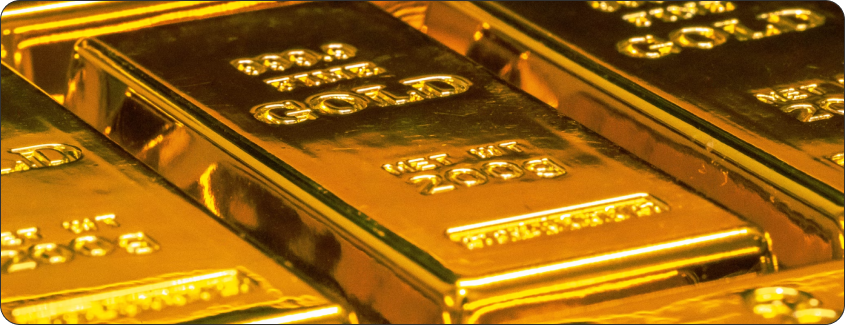
Gold (XAU) has been a coveted asset for centuries, prized for its economic stability and diverse applications, from electronics to gourmet cuisines. As the market has continued to grow, gold remains as a significant trading asset.
This article delves into the intricacies of gold trading, from its fundamental value propositions and historical context to modern-day trading strategies and insights, providing a comprehensive guide for those keen on exploring the golden opportunities gold has to offer.
What is Gold (XAU) in Financial Trading?
Gold (XAU) , often touted as a “safe haven” asset, has historically maintained its value in times of market uncertainties. This lustrous precious yellow metal that has captured human’s fascination for centuries and till today,is still sought after for its role as a hedge against economic uncertainties.
What Makes Gold Valuable?
Gold’s intrinsic value is not merely a product of modern economics but has deep-seated historical underpinnings. As far back as 1500 BC, the ancient Egyptians, recognising its worth and stability, instituted gold as the official medium of exchange for trade [1]. This not only solidified its role in ancient commerce but also set a precedent for its utilisation in subsequent civilizations. The Egyptians even introduced the Shekel, a coin weighing 11.3 grams, which later became a standard measurement in the Middle East [2].
Transitioning to more recent history, the US monetary system prominently adopted the gold standard, a system where the value of currency was directly tied to a specific amount of gold. This system remained in place until the 1970s, underscoring the metal’s lasting influence in shaping monetary policies and structures. The persistent global trust in gold, demonstrated by its use across various cultures and periods, emphasises its unmatched importance and reflects the deep confidence societies, both ancient and contemporary, place in its stability and value.
Gold Price Over The Years
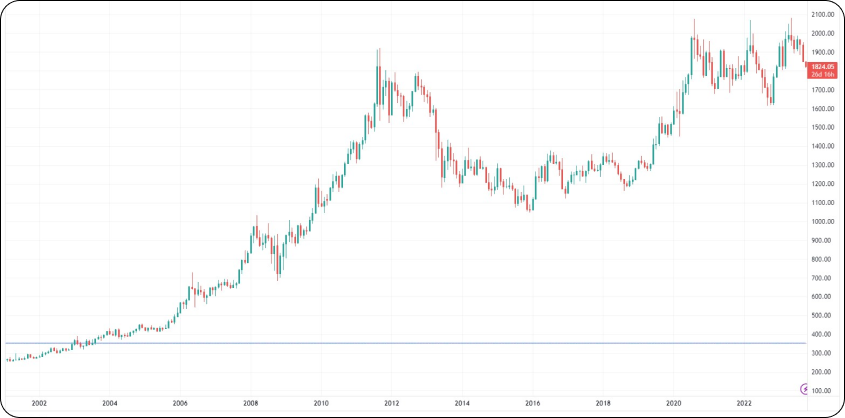
Following the 2008 Global Financial Crisis and eurozone debt issues, gold prices consistently surpassed $1,000, peaking at a record $2,075 during the 2020 Covid-19 outbreak. Despite periodic fluctuations, like dropping to $1,046 in December 2015 due to the dollar’s strength, geopolitical tensions and central bank demands have since buoyed prices. External events, such as the Ukraine conflict in 2021, kept the precious metal above $1,800, reaching $2,070 by March 2022. As of 1 October 2023, gold sits at approximately $1,850 per ounce, but the World Gold Council warns of potential challenges ahead.
Curious about what’s next for gold? Dive into our article on gold price trends over the years, where we break down the key factors and influences on gold prices.
What Makes Gold A Good Trading Instrument?
Gold has continued to demonstrate its durability and worth throughout history. This precious metal, known for its unique properties and beauty, has transitioned from ancient vaults to modern-day investments. As we continue to explore gold’s inherent qualities, we will better understand its significance in today’s trading environment.
Investment Opportunity
Gold, traditionally viewed as a stable asset, shines especially bright during economic uncertainties. Its intrinsic value combined with global recognition positions it as a sturdy shield against inflation and currency devaluation. When the financial landscape becomes volatile, seasoned investors gravitate towards gold, valuing its consistent preservation of value.
Economical Role
Tracing back through history, gold has consistently played a pivotal role in shaping the economies of numerous civilizations. Beyond just a trade medium, it has been a definitive measure of affluence and an integral foundation for monetary frameworks. In the modern world, its relevance is further emphasised by the substantial gold reserves maintained by central banks, underscoring its enduring importance in global economic structures.
Rare Material
One of the captivating traits of gold is its rarity. This inherent scarcity underpins its lofty value. Unlike renewable resources or commodities that see annual production or harvest, gold’s quantity on our planet is limited. Its limited availability, coupled with the intricacies of mining and extraction, solidifies its position as a sought-after material.
Durable and Non Corrosive
Among gold’s many attributes, its durability and resistance to corrosion stand out. Unlike most metals, gold remains impervious to degradation. This enduring quality ensures gold’s lasting allure, making it not just a dependable currency but also a centrepiece in jewellery and historical artefacts.
Why Trade Gold
Gold has long been valued for its stability, particularly during economic downturns. Its lasting worth distinguishes it from currencies that can devalue due to government decisions and inflation. Historically, gold has offered a sense of security and is often regarded as a safe asset during times of economic uncertainty.
Incorporating gold into a trading portfolio provides diversification, since it responds differently to market changes than stocks or bonds, thereby balancing potential risks and rewards. Moreover, gold has high liquidity, making it easier to buy and sell. One can also access Gold using various investment products such as Exchange Traded Funds (ETFs), Contracts for Differences (CFDs), options, and futures. Trading gold can also act as a safeguard against geopolitical uncertainties and currency shifts, adding to its appeal for traders and investors.
What is Gold Trading
Gold trading involves buying and selling gold to profit from its price fluctuations. There are various methods for gold trading, such as gold Exchange-Traded Funds (ETFs) and Contracts For Differences (CFDs). With CFDs, traders can benefit from the gold market’s rising and falling price changes without owning the actual gold. The value of a CFD is determined by the price difference between the start and end of the trade, allowing traders to trade gold and seize trading opportunities on both rising (long) and falling (short) gold prices.
Gold Market Participants
The gold market boasts a varied mix of participants, from individual retail traders and investors to major institutional investors. Central banks assume a crucial role, maintaining gold reserves as a component of their monetary policy. Gold mining companies affect the market’s supply, with their operations directly influencing gold prices. Gold traders introduce liquidity into the market, swiftly responding to international events and economic trends, and are pivotal in price determination.
Every participant in the gold market brings a unique set of objectives and strategies, together shaping a dynamic trading environment.
Forms of Gold
Gold can be traded in various forms, each with its unique advantages. Physical gold, like bars and coins, represents the most traditional method and is favoured by those seeking tangible assets.
Gold futures are contracts promising future delivery or cash settlement. Exchange-traded funds (ETFs) and derivatives, such as CFDs, offer a more accessible avenue for individuals aiming to trade gold without possessing the physical commodity. Gold certificates are another form, serving as proof of gold ownership where the holder doesn’t physically possess the gold but has a claim to a specified amount, making transactions and storage more convenient.
Each form of gold serves different trading goals and risk preferences, granting traders an abundance of opportunities to navigate the gold markets.
ADVANTAGES OF TRADING INDICES
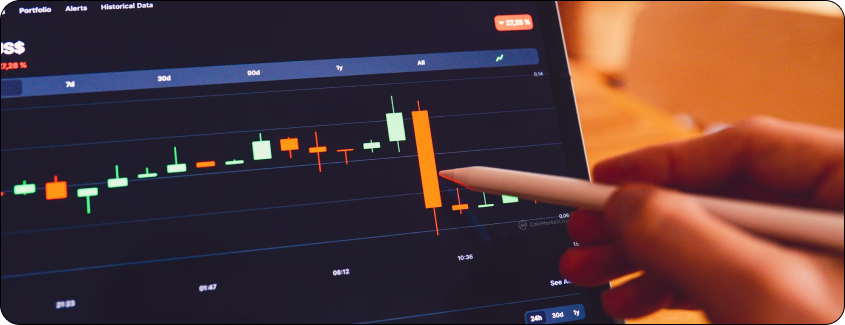
Indices are commonly used to assess the performance of a collection of financial securities, such as stocks. This approach helps enable the tracking of a group of assets that represent a specific market or economic sector. Through the data acquired, traders are able to gain valuable insights into the collective performance of the financial securities.
Read on to learn how traders can partake in index trading to their advantage.
What are Indices?
Firstly, before getting into indices trading, traders have to understand what indices are. Indices are created by grouping together a selection of stocks, commodities, or other financial instruments to represent a specific market or sector’s overall performance.
Indices function as an “average assessment” of distinct segments within markets or asset categories, serving as a snapshot of the broader market. Traders can get insights into the collective performance of a specific group of assets by looking at the index performance.
For example, the Standard and Poor’s 500 Index (S&P 500) is commonly used to monitor the 500 largest companies listed on the US stock exchange, serving as a standard benchmark for large-cap equities. This includes stocks such as Microsoft, Tesla, Alphabet Inc and Nvidia Corp.
Why trade indices?
Here are three reasons why you should trade indices:
1. Diversification
When a trader trades indices, they are essentially trading a collection of financial assets through a single trade. This allows traders to gain access to broader market trends, in addition to helping them simplify their portfolio management. Through index trading, traders are able to potentially take advantage of the performance of entire groups of companies in specific market areas.
2. Less volatility
Trading indices offers the advantage of lower volatility when compared to individual stocks, providing traders with a more stable trading environment, and reducing the risk of abrupt price fluctuations.
This becomes especially apparent in contrast to trading individual stocks, where one poor-performing company can have a significant impact on your portfolio; trading indices mitigates the risk associated with just a single stock fluctuation.
Moreover, for long-term trading, this relative stability of indices helps in better portfolio management and allows traders to make more strategic decisions without the daily noise of individual stock volatility. This makes it easier to identify long-term trends and adjust your investment strategy.
3. Liquidity and access to global market
Trading indices provide dual advantage of enhanced liquidity and access to global markets. Highly liquid major indices such as the S&P 500 and the DJIA facilitate seamless trade entries and exits, minimising the potential for significant price disruptions and fostering efficient trade execution. Trading indices also enables traders to access global economies and regions, all without the complexities of managing separate international brokerage accounts.
5 Advantages of Trading Indices
Now that you have gained an understanding of what trading indices are and why trade them, it’s time to learn about the advantages that come with trading indices.

1. Simplicity in trade selection
Index trading provides traders with the opportunity to gain direct exposure to specific market segments the market as a whole. Instead of having to analyse each stock or commodity individually, traders can instead look at the general trend of an index. This will help traders that might feel overwhelmed by the sheer number of different securities available for trading. Moreover, gauging the performance of an index can provide clearer insights into the prevailing market sentiment.
2. Cost Efficiency
When it comes to cost, trading indices can be more affordable than trading individual stocks. Trading a single index can be viewed similarly to trading all the assets that make up the index.
This cuts down on the number of trades executed and, as a result, possible transaction costs. Also, many online trading sites offer competitive spreads on trading major indices using contracts for differences (CFDs), which makes the cost-effectiveness even more attractive.
3. Sector-specific Exposure
Index trading allows traders to trade in a wide range of sectors and industries without having to buy each individual asset separately.
For example, traders can make a return from the overall performance of the technology sector by trading an index that represents that sector, such as the Nasdaq Composite Index. This eliminates the need to pick individual stock winners within that sector. Exposure to the market can be especially helpful during broad market rises, when all sectors or markets move up at the same time.
4. Accessibility and exposure to overall markets
Indices offer traders the opportunity to access global markets with ease. There are indices that capture the Asian, European, and US markets respectively. It can be an ideal solution for traders looking to diversify geographically without the need to set up multiple trading accounts.
5. Diversification
Diversification is another key advantage of indices trading. By trading indices, traders are effectively trading a basket of individual stocks or commodities, which can help to spread their risk. For example, if one company within the index performs poorly, it may be offset by better performance from other companies in the index. This mitigates the risk of significant losses associated with trading a single stock or commodity. Diversification is a fundamental principle of risk management and is, therefore, particularly appealing to cautious investors.
Conclusion
Trading indices presents an opportunity for traders worldwide to gauge the insights of the overall markets and trade the broad markets.
CFD COMMODITIES: OVERVIEW, HOW IT WORKS, AND HOW TO TRADE
Want to know about CFD trading in the commodity market? Read on and find out everything you need to know about CFD commodities trading, including how they work and how you can trade them.
Key Points
- Commodities CFDs (Contracts for Difference) are financial derivatives that enable investors to speculate on the price movements of various commodities, such as gold, silver, oil, and agricultural products, without owning the physical assets.
- Commodities CFDs work by tracking the price changes of the underlying commodities, allowing traders to make a return from the difference between the opening and closing prices without the need to handle the actual physical commodities.
- Commodities CFDs offer a flexible way to invest in various commodity markets, allowing traders the ability to go long or short and providing the flexibility to trade on margin.
What are Commodity CFD Markets?
Commodity Contracts for Difference (CFDs) are derivatives that allow traders to speculate on the future price movements of commodities in the markets. Initially, commodity markets involved only producers, consumers, and other financial institutions like investment banks.
As a retail trader with lower capital, you can use CFDs to participate in commodity markets and speculate on the price movement without actually owning the underlying assets — in this case — the commodity itself.
Before we get into how you can trade commodities CFDs, let’s explore some essential concepts.
What are Commodities?
Commodities are materials like gold, silver, and crude oil which exist naturally in the ground. Produce from agriculture and livestock also count as commodities. Commodities are essential in food, clothing, and energy production in all economies.
Many countries produce commodities in bulk. For this reason, commodities are standardised based on quality and quantity. This way, commodities will have similar pricing regardless of the producer. However, any price change in commodities can have a massive impact on an economy and publicly-listed companies in particular.
It can also have an impact on a trader’s everyday life. Ever wonder why sometimes you have to pay more at the pump for fuel? That can happen when there’s a price increase in the oil and natural gas markets.
Classifying Commodities
Commodities fall under two main categories: soft commodities and hard commodities.
- Soft commodities are products of agriculture or reared livestock. In this case, commodities like coffee, wheat, and cotton are soft commodities.
- Hard commodities are minerals extracted or mined from the earth. Excellent examples of commodities include oil, gold, and copper.
- However, trading platforms can categorise commodities differently, such as using these four sub-categories:
- Energies – These markets deal with natural energy sources, including crude oil, natural gas, and heating oil.
- Metals – The metals subcategory deals with mined precious metal commodities like copper, platinum, gold, and silver.
- Agricultural — This subcategory covers all products grown for food consumption, clothing, or building materials. They include cocoa, sugar, and lumber.
- Livestock and Meat — This subcategory is for animals reared for meat and other products like gelatin and leather. You’ll find all animal products here.
Classifying Commodities
Several factors drive the prices of commodity markets. Let’s look at some:
- Supply and Demand – Supply and demand market forces determine the price of commodities. The general principle here is: an increase in demand for a commodity will cause its price to rise. If there’s a shortage in inventory or a reduced supply, that also causes a price increase. A decrease in demand will make commodity prices drop.
- Politics and Geopolitical Situations – A change in country, regional or global policy can affect the price of commodities. For example, commodity prices will reduce if your country reduces import taxes. Conflicts and wars can also affect commodity prices. War stops production processes, affects currencies, and cuts supply routes, leading to shortages.
- Competition – Alternative sources of energy, for instance, compete against crude oil and natural gas. Since there’s a global drive towards renewable energy sources, governments and companies are slowly moving away from petroleum and natural gas.[3]
- Macroeconomics – If your country’s economy is weak, your demand for commodities reduces. In turn, prices will drop. Booming economies cause commodity prices to skyrocket, especially in the construction and transport industries.
- Currency Movements – Most commodities use USD pricing. Whenever the U.S. dollar price fluctuates, so does the cost of commodities. If, for instance, the USD gains sharply against a basket of other major currencies, it becomes cheaper to buy commodities with the dollar.

Conclusion
Commodity CFDs are similar to CFDs in other asset classes. They share features such as leverage margin and have similar trading fees. CFD commodities trading also carry the double-edged sword of profit and loss. While you can potentially make profits in both bull or bear markets using CFDs, there is also a higher risk of losing your capital.
Let’s look at the features of Commodity CFDs.
1. Leverage in Commodity CFDs
Commodity CFDs use leverage. Leverage increases your exposure in the commodity markets without paying for the total cost of the asset upfront.
Leverage in Commodity CFD trades holds massive opportunities for profits and risks of losses. Your profit and loss depend on the full size of your position, not just your invested capital. Without proper risk management strategies, you can make losses that exceed your invested capital.
2. Margin in Commodity CFDs
Margin is the minimum capital your account requires to open a CFD position. In most cases, your broker requires your account to have two types of margin:
- Deposit margin
- Maintenance margin
The deposit margin is what you require to get started. You need your deposit margin to open a leveraged commodity CFD position.
On the other hand, maintenance margin keeps your commodity CFD positions open. Suppose an open trade in your account moves toward incurring losses. Your deposit and other additional funds in your account can cover that trade. If these funds are insufficient, your trading platform uses your maintenance margin to keep those positions open.[4]
Without maintenance margin, your broker will stop you out of your positions. You’ll also receive a margin call which is a request to top up to your trading account with more funds.
Fees in Commodity CFD Trading
Commodity trading using CFDs incurs costs that are pretty similar to trading other CFDs. They are:
- Spread – Spread is the difference between the buying and selling prices of the commodity. Every commodity CFD trade you make pays a spread. Tight spreads are better since any slight movement towards your predictions means greater gains.
- Commissions – Depending on your broker or jurisdiction, you may be required to pay commissions when you trade some CFDs.
- Market Data Fees – If you want to access data that can help you make better trades, you may pay market data fees for updated information on all commodities.
- Holding Charges – To maintain a position open overnight, you may have to pay your broker holding fees. These fees vary, depending on whether your open trades are profitable or not.
How to Trade Commodities
You can get started trading Commodity CFDs today with these quick steps:
- Develop a trading strategy
- Choose your Commodity CFD
- Open your first position
- Monitor and close it
1. Create and Fund Your Trading Account
It’s pretty user-friendly to set up a new account for your Commodity CFD trading. First, select your CFD broker and follow some steps to open an account on their website. Once you’ve verified your account details with your ID and proof of address, your broker gives you instant access to all CFD markets.
Next, fund your account by connecting your credit/debit card or bank to your trading account. Take advantage of them to kickstart your trading journey.
2. Develop a Trading Strategy
After that, create a trading strategy that can help you manage your risk and capital. A trading strategy also may help you potentially plan out your profits and acceptable losses. To trade successfully, use fundamental and technical analysis to study the commodity markets before entering a CFD position.
3. Choose Your Commodity Market
Choose the commodity you’d like to trade based on your strategy on your live account. Another excellent way to choose commodity markets is to watch for global trends and breaking news.
You can opt for top commodities like gold, silver, and crude oil. If you’re a bit more experienced, you can also try out other markets like coffee, cocoa, and sugar.
4. Open Your First Commodity CFD Position
Based on your strategy, you can open a long or short position on one or multiple commodities.
Make sure to put a stop loss and limit on all your open positions. In case the trade goes against your prediction, you’ll only incur a minor loss.
5. Monitor Your First Position and Close It
Once you open your first position, you can monitor it over your chosen period. You can keep your trading platform open on your PC or track it with your phone app. You can also opt for trading alerts through emails, SMS, and push notifications.
If the position moves in your favour, close it and take your potential returns. If the position moves against you, you can still exit the position and spare yourself from further losses and losing your money.
Final Thought
Commodity CFDs create an opportunity for retail traders to speculate on the prices of commodities without buying them.
Start Trading with Elite AI Markets
Access markets including forex, commodities, indices, shares/stocks and more, at low cost.